Words are not ephemeral. They weigh, they ring, and they resonate long after they’ve been uttered or put to paper. That is why individuals are often able to recall a line or quote for decades—it becomes a strand connecting the past to the present. Poetry, above other art forms, has always possessed this power. Poetry picks up not merely ideas but also feeling, encoding them in a manner that can be re-experienced ad infinitum.
Why Poetry Connects Across Ages
Perhaps the most amazing thing about poetry is that it is timeless. A poem decade or even centuries old will still touch readers today because it speaks of the universal aspects of life: love, loss, hope, and faith. Technology, culture, and lifestyles may change, but the human spirit still seeks the same answers and comfort. Such is why poetry turns into a bridge. It brings the voices of the past together with the hearts of the present.
Words That Heal and Comfort
Poetry is not simply about beauty—it is also about healing. During times of sorrow, a poem can feel like an ointment. In times of doubt, a verse can be a beacon of guidance. Words can touch areas that reason cannot touch, and go straight to the heart. This is why countless numbers turn to poetry during times of need. It assures us that we are not alone and others have travelled before us in similar paths.
Slowing Down in a Busy World
In our modern age of haste, where words are normally hurried and condensed into brief texts or rapid postings, poetry invites us to linger. It encourages us to read attentively, to ponder deeply, and to heed closely—not only the words but ourselves as well. Poetry reminds us that stillness has merit, that reflection has merit, and that language has merit when given the time to do its subtle work within us.
A Modern Reflection
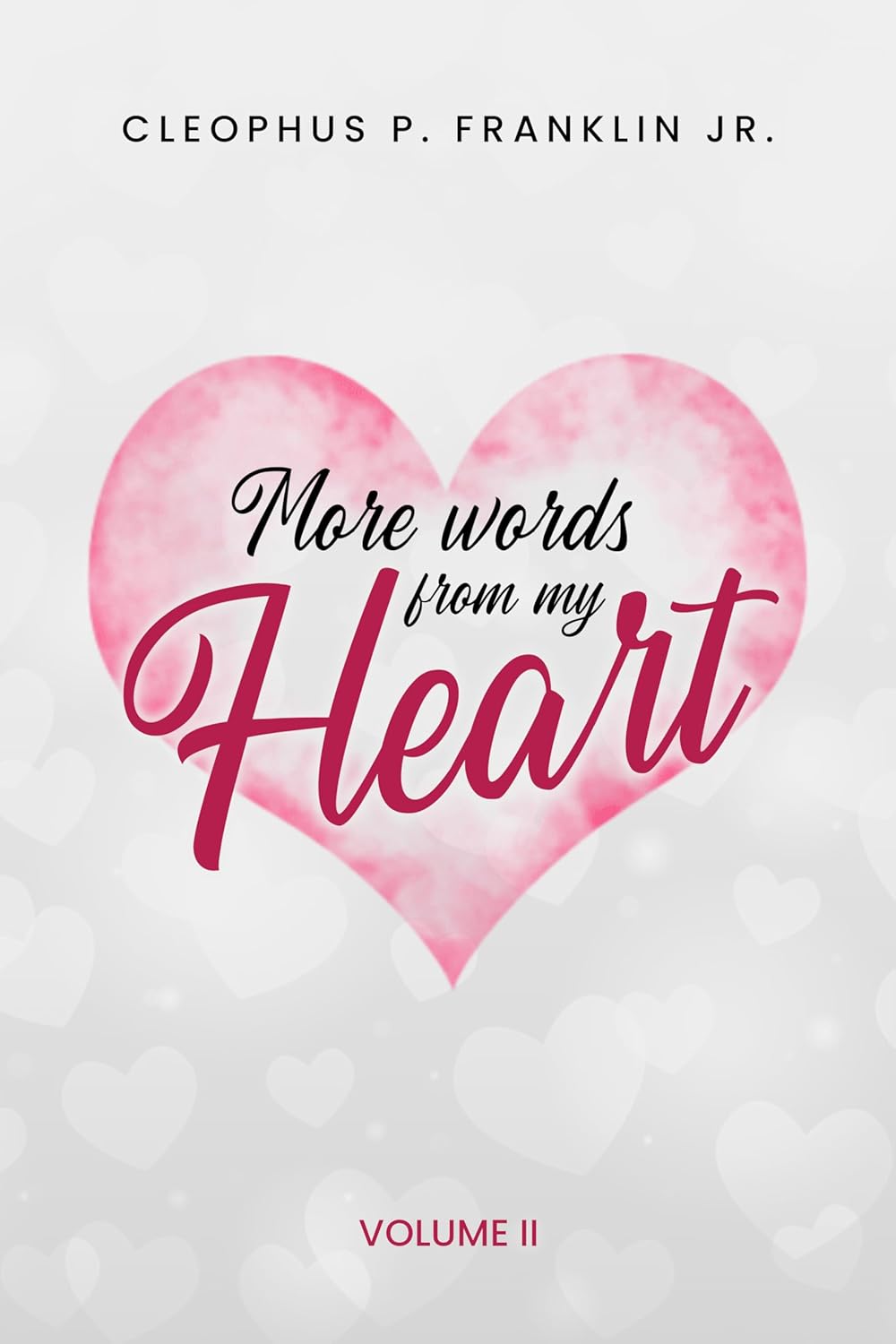
This poetry function is exemplified in books such as More Words from My Heart, Volume II by Cleophus P. Franklin Jr. His book captures hope, religion, and love in ways that remind us of the enduring power of poetry. Although the poems are based on his life, their messages transcend generations, conveying wisdom that anyone can take with them. Franklin’s work is a modern instance of how poetry continues to unite people over time.
Words That Last
Finally, the therapeutic potential of poetry resides in its longevity. Once set down on paper, words have the power to motivate readers long after the author has passed on. They are part of a legacy, handed on and rediscovered with new significance by generation after generation. That is why poetry is important—it guarantees that our ideas, emotions, and lessons do not fade but continue to live on, awaiting to nurture and guide those who follow us.